Roof Replacement vs. Roof Repair: How to Know Which Option Your Home Needs
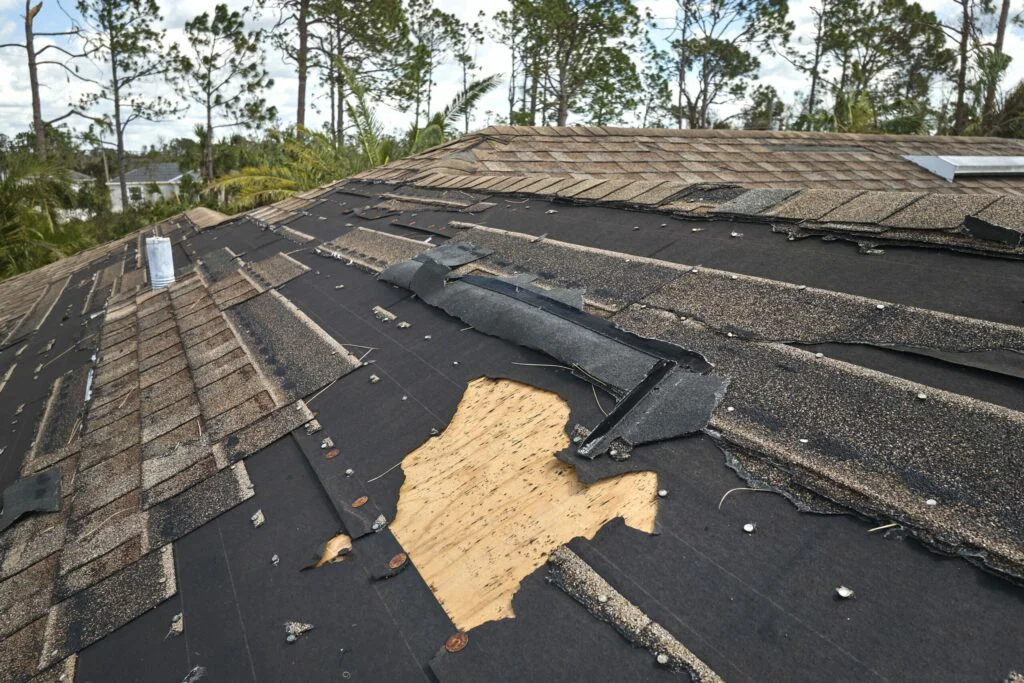
When a roof starts showing signs of damage, one of the first questions homeowners face is whether they need roof replacement or roof repair. A small leak, damaged tile or deteriorating section of roofing does not necessarily mean the entire roof needs to be replaced.
Understanding the condition of the existing roof, the age of the roofing materials, the extent of damage and the likely cost of ongoing repairs can help homeowners make a more informed decision.
How to Decide Between Roof Repair and Complete Roof Replacement
The right option depends on the condition of the entire roofing system rather than one isolated problem.
A professional roofing assessment can identify whether the issue is limited to a particular section or whether there are widespread problems affecting the roof’s structure, materials, flashing and weather protection.
A roof repair may be suitable when damage is isolated and the majority of the roof remains in good condition. Roof replacement may become more practical when damage is extensive, recurring or affecting a large proportion of the roof.
Common Roof Problems That Can Usually Require Professional Roof Repair
Not every roofing problem requires a complete replacement. Depending on the condition of the roof, professional roof repair may address issues such as:
- Broken or cracked roof tiles
- Missing roofing materials
- Localised roof leaks
- Damaged flashing
- Deteriorated sealants
- Loose roofing components
- Minor storm damage
- Isolated gutter or roof junction problems
A qualified roofing professional can investigate the source of the problem rather than simply repairing the visible symptom.
When Multiple Roof Leaks May Indicate a Bigger Roofing Problem
A single roof leak may be caused by a damaged tile, flashing problem or another localised issue. However, repeated leaks in different areas can indicate broader deterioration.
If repairs are continually required across different parts of the roof, homeowners may benefit from having the entire roofing system inspected.
Recurring roof leaks can also allow moisture to affect ceilings, insulation, timber and other building components if they are not properly addressed.
How Roof Age Influences Roof Replacement Decisions
The age of a roof is an important consideration when deciding between repair and replacement.
Roofing materials have different expected service lives depending on their type, installation, exposure and maintenance history. Older roofs may develop multiple issues at the same time, including deteriorated flashing, brittle materials, corrosion, damaged fixings and general weathering.
An older roof does not automatically require replacement, but its remaining service life should be considered when comparing the cost of repeated repairs with a new roofing system.
Roof Replacement for Widespread Roofing Damage
Roof replacement may be more appropriate when damage affects a substantial portion of the roof.
Widespread deterioration can include numerous broken tiles, extensive corrosion, failing membranes, significant water damage or roofing materials that are approaching the end of their useful life.
Replacing the roof can provide an opportunity to address multiple problems at once rather than repeatedly repairing individual sections.
Comparing Tile Roof Repair and Tile Roof Replacement
Tile roofs can often be repaired when damage is limited to individual tiles or small sections. Broken, cracked or displaced tiles may be replaced without removing the entire roof.
However, if large numbers of tiles are damaged or the supporting components have deteriorated, a broader roofing assessment may be required.
Professional roof maintenance and timely tile replacement can help extend the useful life of a tiled roof.
Metal Roof Repair vs Metal Roof Replacement
Metal roofing can develop problems such as corrosion, damaged sheets, loose fixings, deteriorated coatings and leaking joints.
Localised damage may sometimes be repaired by replacing affected components or addressing flashing and connection points.
When corrosion is widespread or the roofing system has reached the end of its service life, complete metal roof replacement may be a more practical option.
Roof Flashing Repairs and Water Leak Detection
Flashing is designed to protect vulnerable junctions around areas such as chimneys, roof valleys, walls, vents and other penetrations.
Damaged or deteriorated flashing can be a common cause of roof leaks. Professional inspection can help determine whether the problem is limited to flashing or whether water has affected other parts of the roofing system.
Accurate leak detection is important because the location where water appears inside the home is not always where it entered the roof.
How Storm Damage Can Affect Roof Repair or Replacement
Severe weather can damage roofing through strong winds, falling branches, hail and heavy rain.
After a major storm, homeowners should look for visible signs such as missing tiles, damaged metal sheets, loose components, blocked gutters and water entering the property.
Professional roof inspection is recommended when damage is difficult to assess from ground level. Some damage may be repairable, while widespread storm damage may require more extensive roofing work.
Roof Maintenance That Can Help Prevent Expensive Roofing Problems
Regular roof maintenance can help identify smaller problems before they become major repairs.
Professional roof inspections can identify deteriorated materials, damaged flashing, blocked drainage points, loose components and other potential problems.
Homeowners should also pay attention to gutters and downpipes because poor roof drainage can contribute to water-related issues.
Addressing minor roofing problems early can sometimes extend the service life of the existing roof.
Signs Your Home May Need a Complete Roof Replacement
Several warning signs may indicate that a roof requires more than isolated repairs.
These can include widespread damage, recurring leaks, extensive corrosion, deteriorating roofing materials, sagging areas or repeated repairs across different sections.
The presence of one sign does not automatically mean replacement is required. A professional roofing assessment can determine the extent of the problem and whether repair or replacement is more appropriate.
Comparing Roof Repair Costs With Long-Term Roof Replacement
The cheapest immediate option is not always the most economical over the long term.
Repeated repairs can become expensive when an older roof develops new problems every few years. In comparison, roof replacement involves a larger initial investment but may provide a new roofing system with fewer immediate repair requirements.
Homeowners should compare the condition of the existing roof, expected remaining service life, repair frequency and overall replacement scope before making a decision.
Choosing Roofing Materials for a New Roof Replacement
A roof replacement can also provide an opportunity to consider whether the existing roofing material remains suitable.
Depending on the property, options may include concrete tiles, terracotta tiles, metal roofing and other roofing systems.
The appropriate material can depend on the home’s design, local climate, roof pitch, appearance, maintenance requirements and construction considerations.
A professional roofing contractor can explain the practical differences between available materials.
Hiring a Professional Roofing Contractor for Roof Repair or Replacement
Choosing between roof repair and roof replacement should be based on the actual condition of the roofing system.
A professional roofing contractor can inspect the roof, identify damaged areas and explain whether isolated repairs or more comprehensive replacement work is appropriate.
Homeowners should consider experience, qualifications, insurance, workmanship, materials and warranty information when choosing a roofing professional.
Contact a Professional Roofing Contractor About Your Roof
Roof repair can be appropriate for isolated damage, while roof replacement may make more sense when deterioration is widespread or the existing roofing system is approaching the end of its service life.
Professional assessment can help homeowners understand the condition of their roof before committing to major work.
Call a Professional Roofing Contractor to Assess Your Roof
Call a qualified and insured roofing professional to discuss roof leaks, damaged tiles, metal roofing problems, roof repairs or complete roof replacement requirements for your home.